
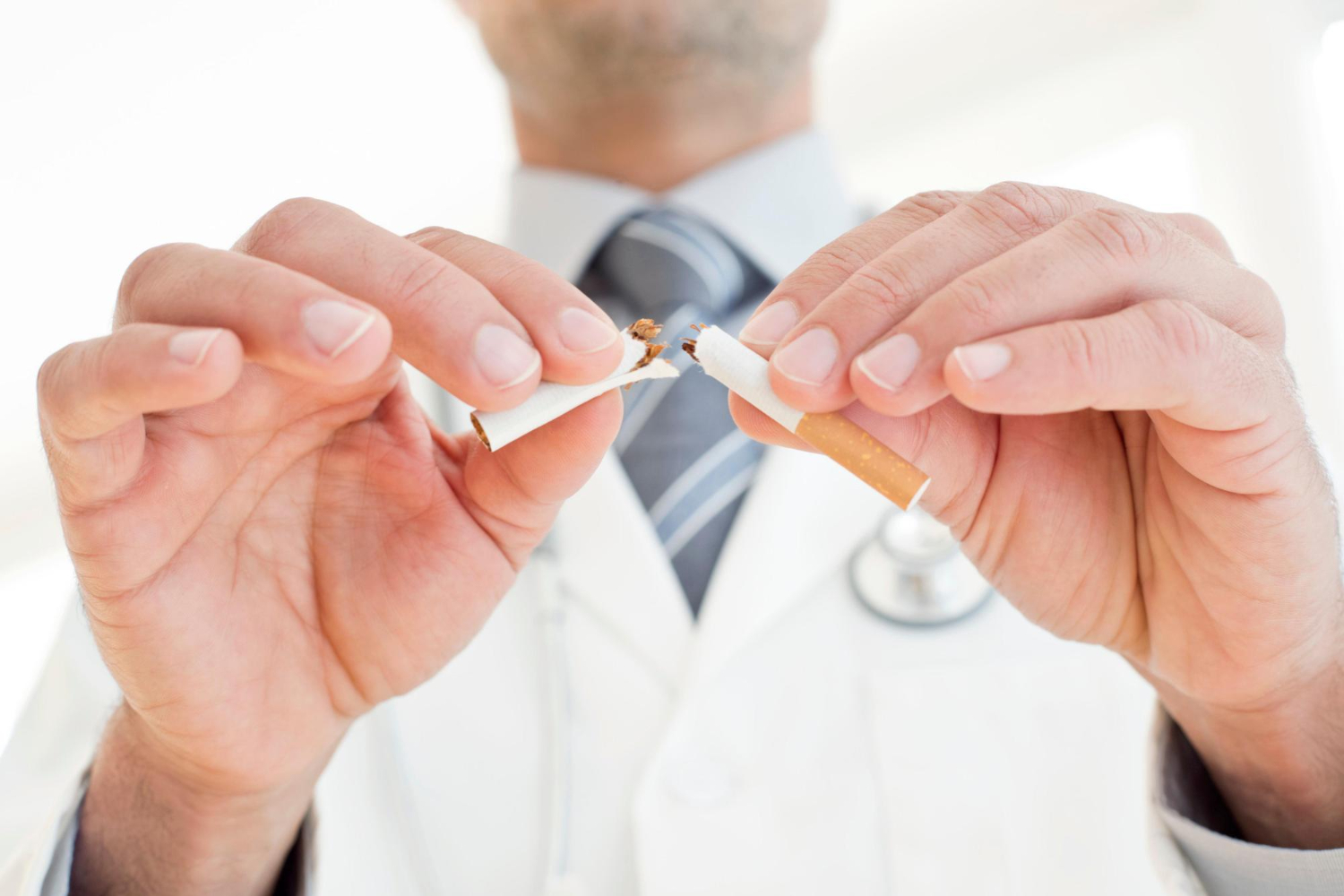
Smoking is one of the most important preventable causes of cancer. Tobacco smoke contains numerous chemicals that can damage DNA and increase the risk of developing cancer in different parts of the body.
The risk generally increases with the amount and duration of tobacco exposure. However, there is no completely safe level of smoking.
At KOTESWARA HEALTHCARE, we believe that understanding the connection between tobacco and cancer is an important step toward prevention and early detection.
How Does Smoking Cause Cancer?
Cigarette smoke contains thousands of chemicals, including many substances known to cause cancer.
These chemicals can:
- Damage DNA
- Cause genetic mutations
- Promote chronic inflammation
- Interfere with normal cell repair
- Allow abnormal cells to grow uncontrollably
Over time, repeated exposure can contribute to the development of cancer.
Which Cancers Are Linked to Smoking?
Smoking increases the risk of several cancers, including:
Lung Cancer
Lung cancer is one of the cancers most strongly associated with smoking.
Symptoms may include:
- Persistent or worsening cough
- Coughing up blood
- Breathlessness
- Chest pain
- Recurrent chest infections
- Unexplained weight loss
However, early lung cancer may cause no symptoms, which is why appropriate screening is important for people who meet high-risk criteria.
Oral and Head & Neck Cancers
Tobacco use is a major risk factor for cancers of the:
- Mouth
- Tongue
- Throat
- Voice box
- Other areas of the head and neck
A persistent mouth ulcer, white or red patch, unexplained lump, difficulty swallowing, or persistent hoarseness should be evaluated.
Oesophageal Cancer
Smoking increases the risk of cancer of the food pipe (oesophagus).
Persistent difficulty swallowing, unexplained weight loss, or progressive swallowing problems require medical evaluation.
Stomach and Gastrointestinal Cancers
Smoking is associated with increased risk of several gastrointestinal cancers, including stomach and colorectal cancers.
Bladder Cancer
Smoking is an important risk factor for bladder cancer.
Blood in the urine—particularly painless visible blood—should never be ignored.
Kidney Cancer
Smoking also increases the risk of kidney cancer.
Pancreatic Cancer
Smoking is an established risk factor for pancreatic cancer.
Other Cancers
Tobacco use is also associated with increased risk of cancers involving other organs, including the liver, cervix, and certain blood-forming tissues.
Does How Much You Smoke Matter?
Yes.
Cancer risk generally increases with greater tobacco exposure, including the number of cigarettes smoked and the number of years of smoking.
But it is important to remember:
Smoking fewer cigarettes does not make smoking safe.
The best way to reduce tobacco-related cancer risk is to stop using tobacco.
What About Passive Smoking?
Secondhand smoke can also expose non-smokers to harmful chemicals.
People who regularly breathe tobacco smoke from others can have increased risks of several health problems, including lung cancer.
Creating a smoke-free home and workplace protects both smokers and those around them.
What About Other Forms of Tobacco?
Cancer risk is not limited to cigarettes.
Other tobacco and related products can also cause cancer, including:
- Cigars
- Bidis
- Smokeless tobacco
- Chewing tobacco
- Gutkha
- Tobacco-containing pan masala
Areca nut products without tobacco are also not harmless and are associated with oral potentially malignant disorders and oral cancer risk.
What Happens to Cancer Risk After Quitting?
Stopping smoking has major health benefits at any age.
After quitting, the body begins to recover, and the risk of several smoking-related diseases decreases over time.
The earlier you quit, the greater the potential benefit—but it is never too late to quit.
If you smoke, even after many years, stopping now is one of the most important steps you can take for your health.
Should Smokers Get Cancer Screening?
Not everyone who has smoked needs every type of cancer screening.
For people at sufficiently high risk of lung cancer based on age and smoking history, low-dose CT screening may be recommended according to current guidelines.
Screening eligibility should be assessed individually.
Importantly, screening is not a substitute for quitting smoking.
Warning Signs You Should Not Ignore
If you smoke or have a history of tobacco use, seek medical evaluation for:
- A persistent cough
- Coughing up blood
- Persistent hoarseness
- A mouth ulcer lasting more than 2–3 weeks
- A new lump in the neck
- Difficulty swallowing
- Blood in urine
- Blood in stool
- Unexplained weight loss
- Persistent chest or abdominal pain
These symptoms do not automatically mean cancer, but they should not be ignored.
Quitting Smoking Is Cancer Prevention
There is no need to wait for symptoms before taking action.
Quitting smoking is one of the most powerful steps you can take to reduce your future cancer risk.
If you smoke, talk to a healthcare professional about evidence-based smoking cessation support. Nicotine replacement therapy, prescription medicines, counselling, and behavioural support can improve the chances of successfully quitting.
One Decision Can Change Your Future
Smoking may feel like a daily habit, but its effects can last for years.
Every cigarette you don’t smoke is a step toward a healthier future.
At KOTESWARA HEALTHCARE, we encourage tobacco cessation, cancer-risk awareness, appropriate screening, early evaluation of warning signs, and timely cancer care.
KOTESWARA HEALTHCARE
Advanced, Affordable, Accessible Comprehensive Care
Cancer Screening & Risk Assessment • Surgical Oncology • Oral Cancer Care • Lung Cancer Care • GI & Gastro Surgery • Genito-Urinary Cancer Care
📍 Nizampet, Hyderabad
📞 +91 88865 54422 | +91 88865 54499
Medical note: This article is for general awareness and does not replace medical advice. If you smoke and want to quit, speak with a qualified healthcare professional about an individualized cessation plan.